
Blog
Workplace trends and best practices for HR, Learning and AI leaders
 Best PracticesDefining ERG Roles and Responsibilities for SuccessAn employee resource group (ERG) is a voluntary, employee-led group that brings together colleagues who share an identity, background, or interest, such as women, veterans, LGBTQ+ employees, or working parents. ERGs exist to build community, support members’ growth, and give employees a voice in shaping workplace culture. They are also called affinity groups or business…
 Ideas from IndustryThe Importance of Gender Diversity in the Workplace [Infographic]From pay disparities to imbalanced leadership roles, the conversation around increasing gender diversity has reached the core of workplace dialogues. While strides towards inclusivity are admirable, gender diversity remains more an aspiration than a reality in many industries.
 Ideas from IndustryWhy AI for Mentoring Is Transforming Learning & DevelopmentIn the fast-evolving landscape of technology, AI in mentoring software and solutions has emerged as a transformative force, reshaping the way we work, learn and connect. And while AI as it applies to machine learning has been around for quite a while, we’re largely talking about generative AI—things you’ve heard about like ChatGPT, Bard, AlphaCode…
 Best PracticesThe Art of Effective People DevelopmentIn this article, we’ll delve into what people development is, explore its myriad benefits for individuals and organizations, provide examples of types of people development programs, and spotlight several companies that excel in implementing these programs.
 Best PracticesBuilding Employee Connections in the WorkplaceIn the fast-paced, ever-evolving landscape of the modern workplace, the importance of employee connections and team member connections cannot be overstated. These connections play a pivotal role in facilitating engagement, which, in turn, contributes significantly to individual and organizational growth. Blueboard found “85% of HR professionals strongly agree that it’s important for employees to feel…
 Best Practices7 Reverse Mentoring Program Best PracticesReverse mentoring is an emerging mentoring practice that can benefit organizations and employees. This article explores what a reverse mentoring program is, its advantages, and best practices that can help you make the most of this modern mentoring format. What is a Reverse Mentoring Program? Traditionally, mentoring consists of a senior mentor offering guidance…
 Best PracticesWhat is Career Development?Career development is the process of building knowledge, experience, and skills that will help an employee reach long-term career goals. Career development is different from employee development, which is more focused simply on gaining skills and experience, often in areas that will benefit the employer. Career development, on the other hand, is guided by the…
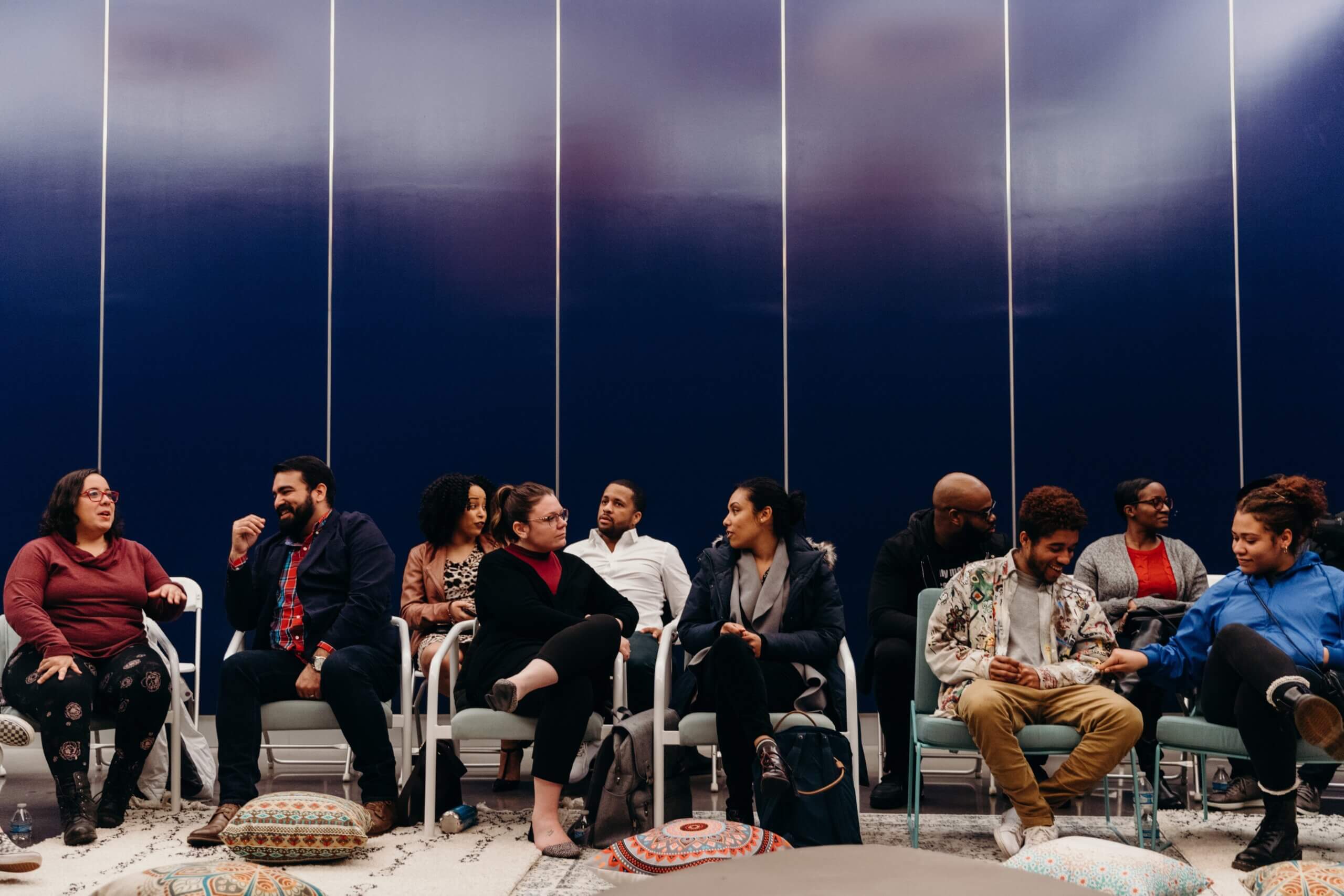 Best PracticesGuide to Setting DEI Goals and Measuring SuccessCompanies who want to thrive for the long term understand the importance and benefits of making diversity, equity, and inclusion a priority. Several research reports have shown positive correlations between DEI initiatives and better financial performance and innovation. Why are DEI Goals Important? Unfortunately, companies neglect to make DEI a strategic priority, leading to…
 Best PracticesBuilding Leadership Development Programs for Future LeadersWithout effective leadership, organizations can’t reach their full potential. While some people are natural leaders, leadership is a skill that can be learned, and it pays for companies to foster great future leaders by providing training and development. Development programs help leaders find a sense of purpose, learn how to relate better with their teams,…
 Best PracticesThe Potential of Peer to Peer Mentoring and How to Design Your ProgramPeer mentoring matches mentors and mentees with similar job titles, backgrounds, or levels of experience. These programs may match participants individually or in groups with specific goals, e.g., transfer of knowledge during onboarding. In contrast to traditional mentoring relationships, which matches senior and junior employees to transfer knowledge and offer support, peer mentoring fosters connection…
 Best PracticesMentor Training: Equip Mentors with the Skills They NeedMentoring is an age-old practice that has gained new relevance—and organizational support—in today’s workplace. Mentoring helps individuals realize their potential and organizations thrive, with benefits including career and leadership development for a strong talent pipeline, higher engagement and performance and greater retention of skilled employees. A growing number of companies are creating structured programs to…
 Best PracticesEnterprise Mentoring: Benefits and How to ImplementA company’s success depends on its people. For an organization to prosper in the long term, they need a workforce that’s engaged, agile and equipped with the right skills. To get to that state, companies need to hire the right people and ensure that those people are in a position to do (and want to…